Audio Pathways: Contrasting Design Choices in Classic and Video Slot Machines
Sam Friedrich · Jul 31, 2026
Audio Pathways: Contrasting Design Choices in Classic and Video Slot Machines
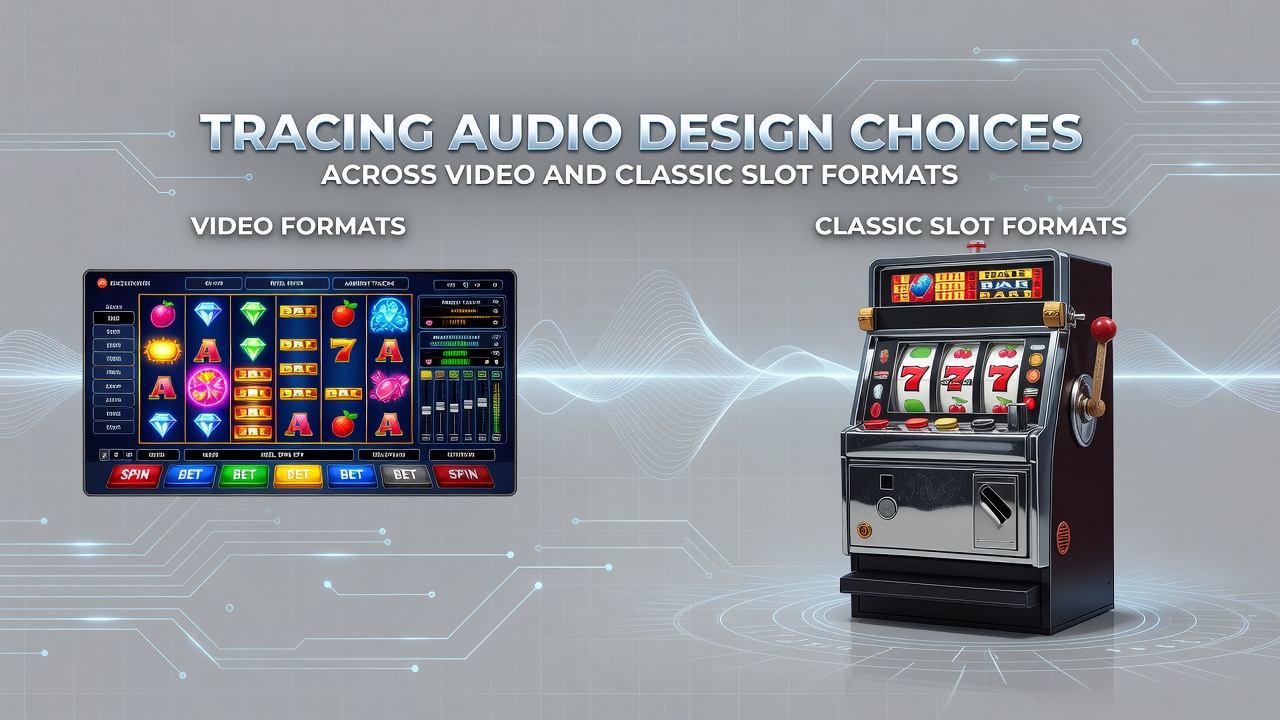
Sound has always shaped how players experience slot machines, and tracing those choices reveals clear differences between the mechanical simplicity of classic formats and the layered compositions found in video slots. Classic machines relied on physical components such as spinning reels and ringing bells, whereas video versions introduced digital sampling that allowed developers to build thematic worlds around each game. Observers note that these shifts began in the late twentieth century when manufacturers moved from hardware-driven audio to software-based systems, and the transition opened new possibilities for synchronization between visuals and sound.
Mechanical Foundations in Traditional Reels
Early slot machines produced audio through direct mechanical action, with gears and levers creating consistent rhythms that players recognized instantly. A single pull generated the distinctive whir of reels followed by sharp clicks as symbols aligned, and winning combinations triggered loud bells or chimes that carried across the floor. Those who studied casino environments during the 1970s and 1980s documented how these sounds encouraged continued play because the auditory feedback arrived immediately after each spin. Research from the International Gaming Institute at the University of Nevada shows that mechanical audio remained largely unchanged until electronic components replaced physical reels in many locations.
Designers working within those constraints focused on volume and repetition rather than melody, since the hardware limited options to basic tones and alarms. Yet the resulting soundscape proved effective at signaling outcomes across crowded rooms, and players came to associate specific bell patterns with jackpots. Data collected across multiple casino properties indicated that these straightforward cues helped maintain attention even when visual confirmation required close inspection of the reels.
Digital Expansion in Video Slot Formats
Video slots replaced physical reels with animated sequences on screens, and audio design evolved alongside that change. Developers gained access to full soundtracks, voiceovers, and layered effects that matched the theme of each title. A pirate-themed game might feature creaking ships and distant cannon fire, while an ancient Egypt slot incorporated flute melodies and desert winds. Studies conducted by the Australian Gambling Research Centre found that thematic audio increased session duration in controlled tests, although the researchers emphasized that outcomes remained governed by random number generators.
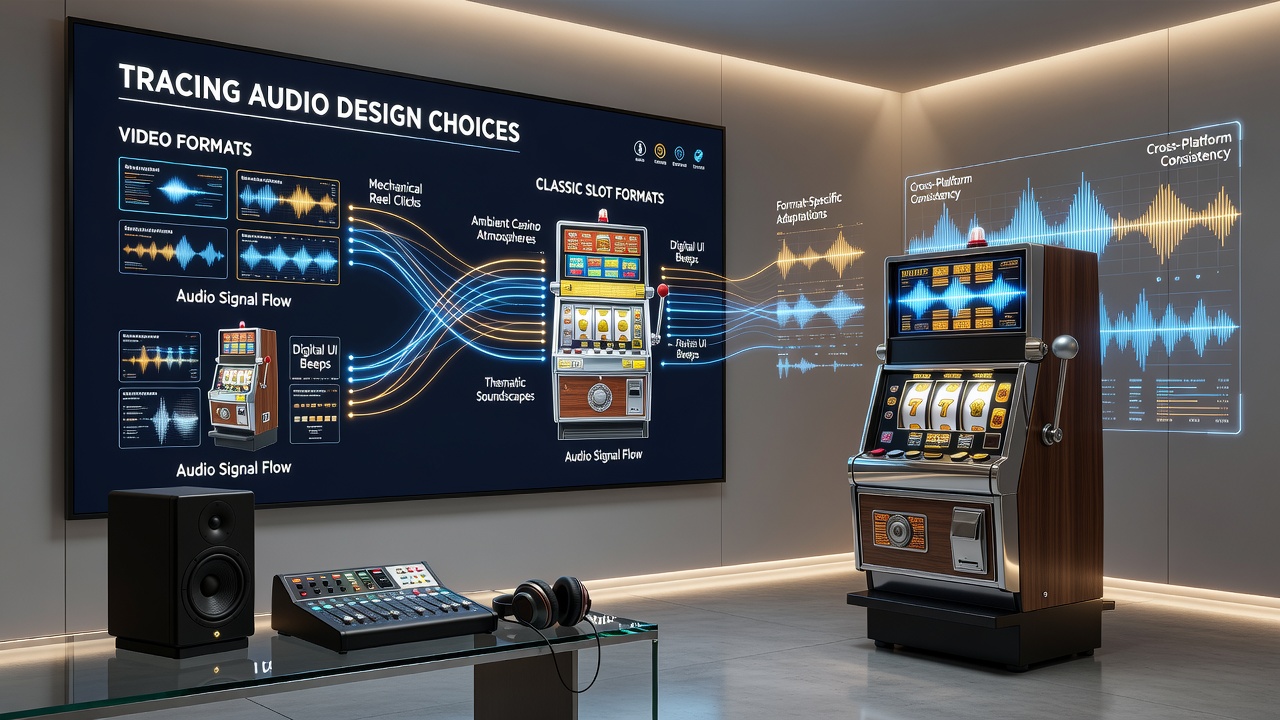
Engineers began timing audio cues to visual events such as symbol drops or bonus triggers, creating tighter integration than mechanical machines allowed. In July 2026, figures released by the Nevada Gaming Control Board highlighted continued investment in audio software across licensed operators, with many properties reporting upgrades to speaker systems that support higher-fidelity playback. Those upgrades enabled subtler volume curves and spatial effects that make individual machines feel distinct within larger gaming areas.
Comparative Elements Across Both Formats
Classic machines emphasized immediate, high-impact alerts that cut through ambient noise, while video slots balance background music with event-specific sounds that shift in intensity. Observers point out that both approaches serve the same core function of communicating results, yet the methods differ in complexity and customization. Classic formats kept audio loops short and repetitive, whereas video titles often employ adaptive tracks that build during bonus rounds and return to calmer states during base play.
Technicians who maintain both machine types note that mechanical audio requires physical calibration of bells and levers, while digital audio depends on software updates and speaker placement. This distinction affects maintenance schedules and the speed at which new sound packages can reach the floor. Industry reports from the Canadian Gaming Association indicate that operators increasingly request modular audio tools that allow quick swaps between classic-style effects and modern thematic scores without hardware replacement.
Regulatory and Technical Considerations
Sound levels in gaming venues fall under broader venue standards that address player comfort and staff exposure. Authorities in several jurisdictions require periodic measurements to ensure volumes stay within established limits, and manufacturers design both classic and video machines to meet those thresholds. Technical documentation shows that digital systems offer finer control through software faders, while mechanical systems rely on damping materials and enclosure design to moderate output.
Developers also consider accessibility when selecting audio profiles, since certain frequencies travel farther in large rooms. Classic machines historically favored bright, high-pitched chimes for this reason, and video designs often retain similar alert tones even when surrounded by richer musical elements. Research papers published through academic gaming programs continue to examine how these choices influence player recognition of wins across different machine generations.
Conclusion
The audio choices embedded in classic and video slot formats illustrate a steady progression from hardware-limited tones to expansive digital compositions. Mechanical reels delivered reliable, room-filling signals through physical action, while video platforms introduced thematic depth and precise synchronization. Data from multiple regulatory and research sources confirm that both approaches remain in active use, each shaped by the technical realities of its era and the need to communicate outcomes clearly. As platforms continue to refine speaker technology and software tools, the core principle of pairing sound with result notification persists across formats.