Behind the Numbers: How Hit Frequency Influences Session Lengths in Various Slot Types
Anna Powell · Jul 15, 2026
Behind the Numbers: How Hit Frequency Influences Session Lengths in Various Slot Types
Hit frequency measures how often a slot machine produces a winning combination, and this metric shapes player behavior across different game formats in measurable ways. Data from regulatory reports shows that machines with higher hit rates tend to keep players engaged for longer stretches, while low-frequency titles often lead to quicker exits. Researchers tracking session data across casino floors and online platforms have documented consistent patterns where frequency interacts with volatility to determine how long someone stays at a machine.
Defining Hit Frequency Across Slot Categories
Classic three-reel slots usually post hit frequencies between 20 and 30 percent according to industry analyses from the American Gaming Association, whereas video slots with multiple paylines can range from 15 to 40 percent depending on their design. Progressive jackpot games often sit at the lower end of that spectrum, sometimes below 15 percent, because a portion of each bet funds the growing prize pools. Observers note that these differences emerge clearly when comparing session logs from land-based venues in Nevada to online environments monitored by state regulators in New Jersey.
Five-reel video slots with bonus features tend to cluster around 25 percent hit rates in many titles, yet the presence of free-spin rounds or pick-and-click bonuses can push effective frequency higher during triggered sequences. Cluster-pay mechanics, by contrast, alter the calculation entirely since wins depend on symbol groupings rather than fixed lines, and studies from the University of Nevada's gaming research center indicate these formats often deliver hit rates near 35 percent in base play.
Session Length Patterns in High-Frequency Titles
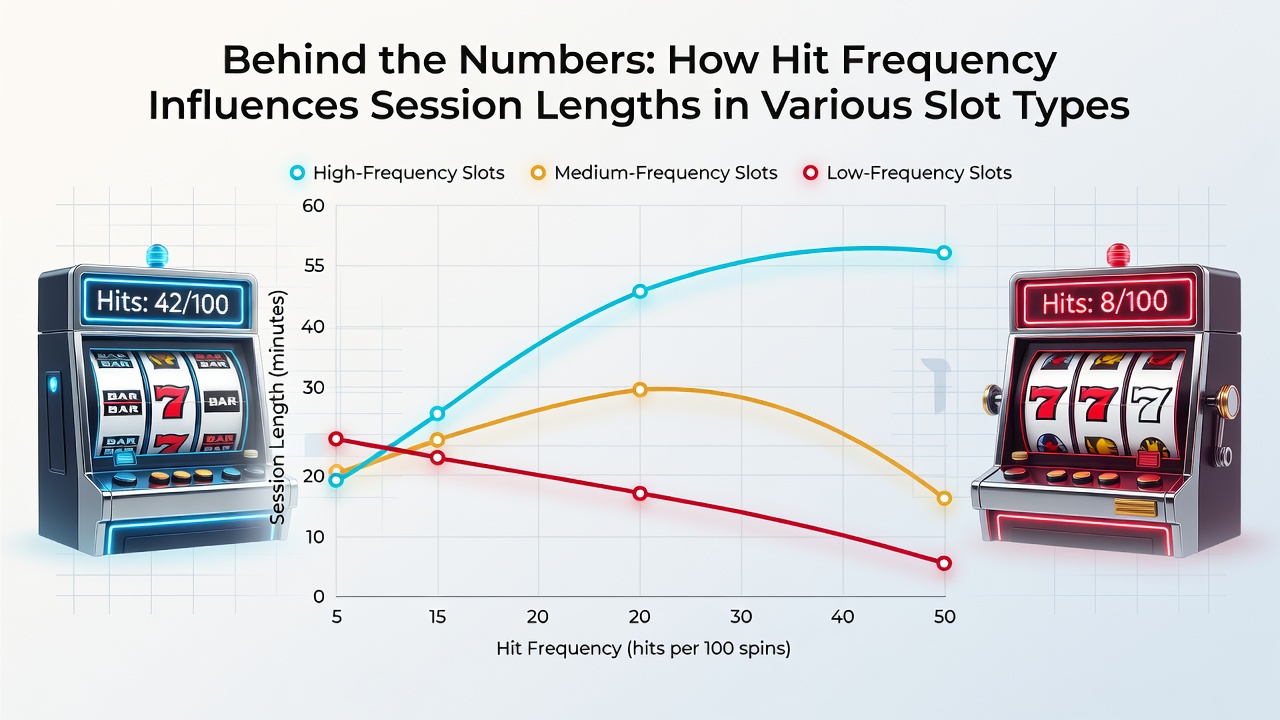
Players on machines with hit frequencies above 30 percent frequently record sessions lasting 45 minutes or more before cashing out, based on aggregated data collected through player tracking systems. The steady stream of smaller returns appears to reinforce continued play, as each win resets the perceived value of remaining credits. Casino operators in Atlantic City have reported similar trends in their internal audits, where high-frequency games show reduced rates of early abandonment compared with lower-frequency counterparts.
Online platforms reveal parallel results when session timers are examined, and one analysis of European market data released in July 2026 highlighted that titles marketed as "frequent win" options retained users for an average of 52 minutes per visit. Those who've examined the raw logs point out that the effect holds across different stake levels, although higher bet sizes can compress overall duration even when frequency remains constant.
Low-Frequency Slots and Shorter Engagement Windows
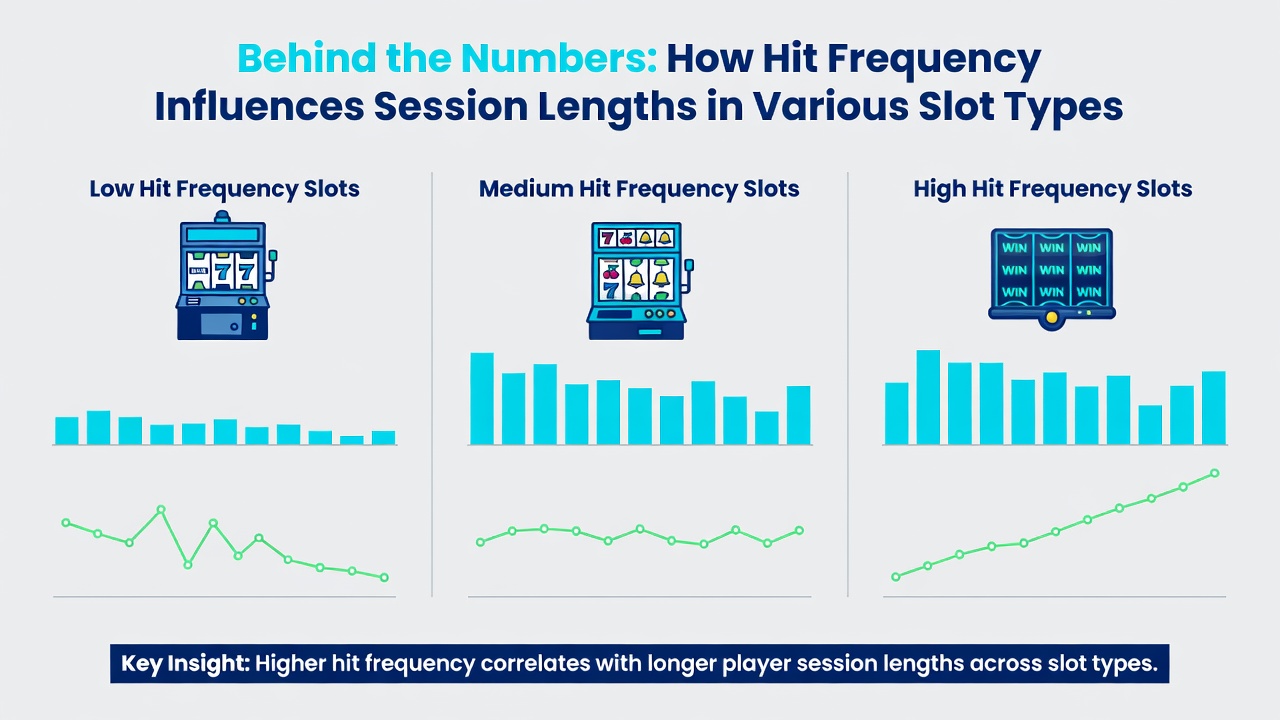
Slots designed around infrequent but substantial payouts, such as many progressive jackpot titles, produce average sessions closer to 18 minutes according to figures compiled by the Nevada Gaming Control Board. The longer gaps between wins create natural exit points where players decide to switch games or leave the floor entirely. Research indicates this pattern intensifies when volatility ratings sit in the high range, because the combination of rare hits and larger potential rewards encourages shorter, more targeted attempts.
Those studying player movement across casino floors have observed that low-frequency machines often experience higher turnover, with individuals sampling the title briefly before migrating elsewhere. This behavior shows up consistently in both physical and digital environments, and reports from the Australian Gambling Research Centre confirm that session lengths drop measurably when hit rates fall below 18 percent.
Comparative Data from Different Slot Formats
Multi-line video slots occupy a middle ground where hit frequency and session duration balance around 30 to 35 minutes on average, while Megaways-style games with variable reel heights can fluctuate depending on the specific configuration active during play. Hold-and-win formats introduce respin sequences that temporarily elevate hit frequency, and data shows these sequences extend overall session time by 10 to 15 minutes in many recorded cases. Observers tracking mobile play note that gesture-based interfaces on smartphones sometimes amplify this extension because the respin mechanic feels more interactive.
Bonus-buy options, available in certain jurisdictions outside the United States, further complicate the picture since players can purchase direct access to higher-frequency features. Industry reports from the Canadian Gaming Association suggest that when these mechanics are present, session lengths increase notably even if the base game maintains a lower hit rate. The effect appears tied to the certainty of entering teh feature rather than the base frequency alone.
Factors That Modify Frequency Effects
Bet size interacts with hit frequency because larger wagers on the same machine can reduce the number of spins possible within a fixed bankroll, thereby shortening sessions despite identical hit rates. Denomination changes produce similar results, and researchers have documented that penny machines with 30 percent frequency support longer play than dollar machines carrying the same percentage. RTP percentages add another layer since a 96 percent return rate paired with high frequency sustains credits longer than a 92 percent title with identical frequency.
External elements such as casino promotions or time-of-day variations also influence outcomes, yet the underlying frequency metric remains the strongest predictor across large datasets. Figures released by multiple state regulators demonstrate that these patterns persist even after controlling for player demographics and game theme.
Conclusion
Hit frequency operates as a central variable that shapes how long sessions last across slot types, and the data consistently links higher rates to extended play while lower rates correlate with quicker departures. Different formats exhibit distinct ranges, from classic reels to progressive titles and cluster-pay designs, each producing measurable differences in engagement duration. Regulatory bodies and research institutions continue to collect this information, providing operators and analysts with clearer pictures of how these numbers translate into real-world behavior on casino floors and digital platforms alike.