Cultural Symbols and Traditions Embedded in Video Slot Game Aesthetics Globally
Ellis Hoffmann · Aug 5, 2026

Cultural Symbols and Traditions Embedded in Video Slot Game Aesthetics Globally
Video slot games have drawn from diverse cultural traditions since their early development, incorporating symbols, color palettes, and narrative themes that reflect regional heritage and artistic practices. Developers often adapt iconography from mythology, festivals, and daily life to create visually distinct titles that appeal to international audiences, and this approach continues to evolve as new markets open. Research from industry analysts shows that cultural elements appear in over 60 percent of themed slots released in the past decade, with patterns shifting based on player demographics and licensing agreements.
Asian Influences on Symbol Design and Color Use
East Asian cultures contribute heavily to slot visuals through dragons, cherry blossoms, and lanterns that appear in games set in ancient temples or modern celebrations. These elements often use reds and golds to evoke prosperity and good fortune, motifs rooted in historical festivals such as Chinese New Year. Developers integrate these symbols into reel layouts where wilds transform into traditional calligraphy or koi fish, creating seamless transitions between base play and bonus rounds. Studies from gaming research institutions indicate that titles featuring these motifs achieve higher engagement rates in markets across Southeast Asia, where players recognize familiar iconography from local art forms.
European Mythology and Renaissance Art in Slot Backdrops
European traditions surface in slots through Norse gods, Greek heroes, and medieval tapestries that frame reel grids with stone textures and heraldic shields. Artists reference illuminated manuscripts and oil paintings when rendering character portraits, adding depth through layered shading that mirrors historical techniques. Observers note that games drawing on these sources frequently pair them with orchestral scores adapted from folk melodies, though the visual layer remains the primary cultural carrier. Data from European game studios reveals steady production of such themes, with releases maintaining consistent visual fidelity to source materials to satisfy regulatory scrutiny on authenticity.
African and Indigenous American Patterns in Contemporary Releases
African tribal patterns and Indigenous American motifs appear in slots that highlight masks, beadwork, and desert landscapes rendered in earth tones and geometric repetitions. These designs often surface in cluster-pay mechanics where symbols align to form larger cultural emblems rather than traditional lines. Reports from North American gaming conferences held in August 2026 highlighted how studios collaborate with cultural consultants to avoid misrepresentation, resulting in more accurate depictions of featherwork and pottery shapes. Similar efforts in South African development teams have produced titles that embed Zulu bead patterns into expanding wild animations, connecting gameplay progression directly to the visual narrative.
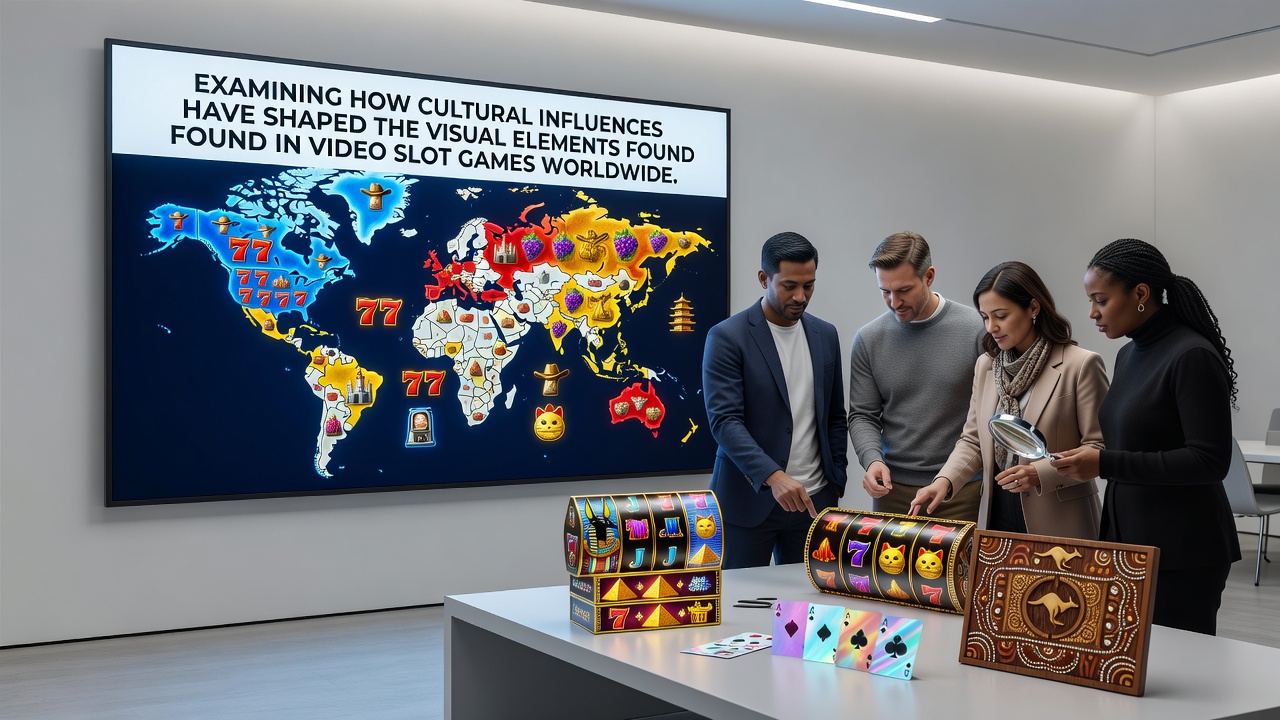
What's notable is how these regional influences interact when studios release multi-theme compilations. One title might blend Japanese ukiyo-e wave patterns with Celtic knot borders on the same reel frame, creating hybrid aesthetics that still preserve distinct cultural boundaries through separate bonus features.
Technical Evolution of Cultural Visuals in Digital Formats
Advancements in rendering software allow finer details in fabric folds, metallic reflections, and particle effects that simulate incense smoke or falling petals. These technical upgrades make cultural references more immersive without altering their core meanings. Industry reports from the Gaming Standards Association document how high-definition assets now support 4K displays, letting players examine intricate embroidery on kimono sleeves or hieroglyphic engravings on Egyptian columns. Such precision stems from direct sourcing of museum archives and ethnographic studies rather than generic approximations.
Regulatory and Market Factors Shaping Visual Choices
Gaming authorities in various jurisdictions review cultural content for accuracy and sensitivity before approving titles for distribution. Australian and Canadian regulators, for instance, require documentation of source material when indigenous symbols appear, leading studios to publish design notes alongside game launches. Market data shows that compliant titles expand more readily into new territories, while those lacking proper attribution face delays. This process encourages deeper research partnerships between developers and academic institutions focused on visual anthropology.
Conclusion
Cultural influences continue to define visual identity across video slot games as developers balance global appeal with regional specificity. Evidence from multiple continents demonstrates that symbols drawn from authentic traditions enhance player recognition and retention when executed with technical care. Ongoing collaborations between artists, historians, and regulators suggest these practices will persist, producing slots whose visuals serve as digital extensions of longstanding artistic legacies.