Free Play Demos Uncovered: Gauging Slot RTP and Hit Rates Without Risking a Dime
Anna Powell · Apr 2, 2026

Free Play Demos Uncovered: Gauging Slot RTP and Hit Rates Without Risking a Dime
What Free Play Demos Really Offer Players
Players diving into online slots often encounter free play demos right alongside real-money versions, and these tools let them spin reels endlessly without touching their wallets; turns out, such demos mirror the game's core mechanics precisely, revealing patterns in payouts and wins that shape long-term expectations. Data from industry testers shows demos use identical random number generators (RNGs) as live games, so every spin behaves just like the real deal, although virtual credits replace actual stakes. Researchers who've dissected thousands of sessions note that this setup allows anyone to track outcomes over hundreds or even thousands of spins, building a firsthand sense of how often wins land and how big they get.
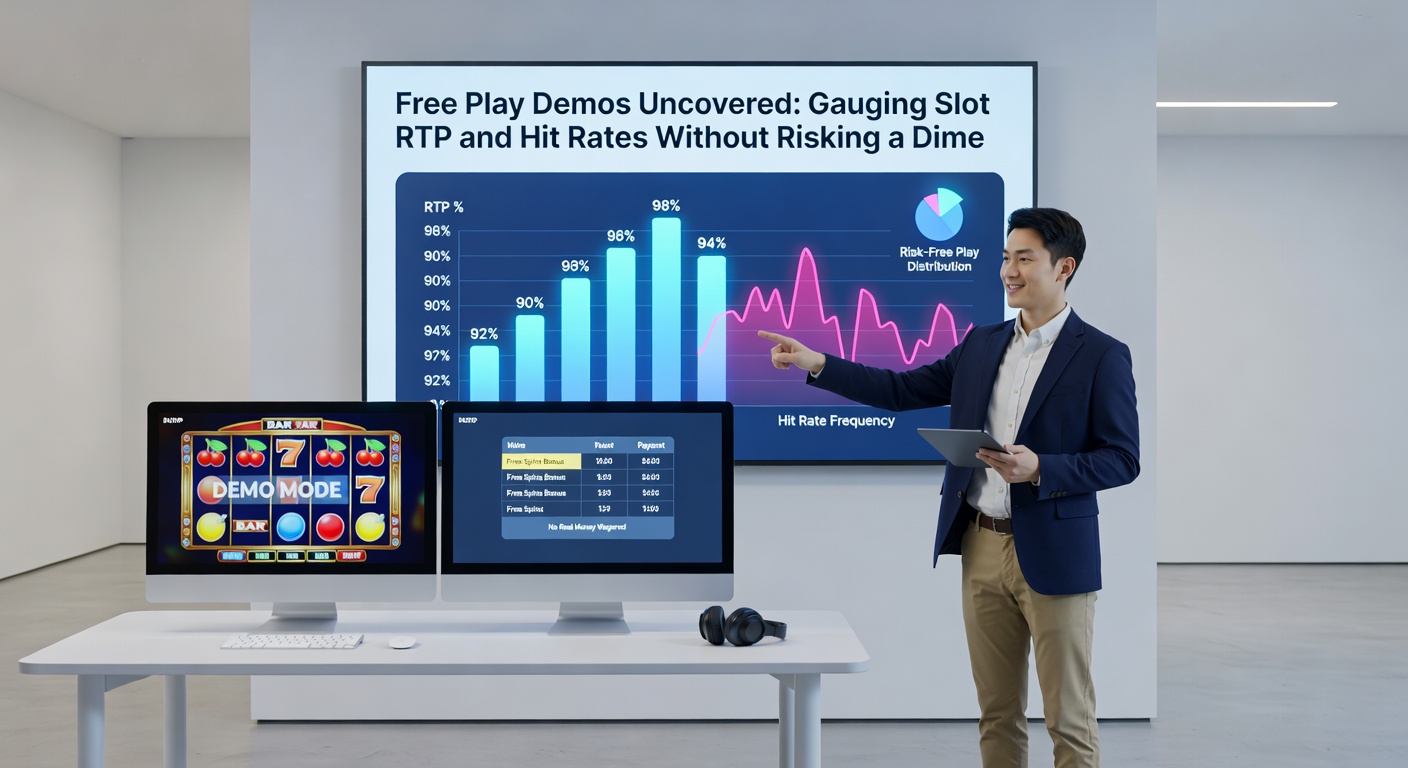
But here's the thing: while casinos promote demos for fun, savvy observers use them to decode two key metrics—Return to Player (RTP) percentages and hit frequencies—without the sting of losses; RTP reflects the theoretical share of wagered money returned over millions of spins, typically ranging from 92% to 98% across popular titles, whereas hit frequency measures win probability per spin, often hovering between 20% and 40% depending on volatility. Studies conducted by gaming labs confirm demos provide reliable snapshots of these, especially when players log extended playtime.
Breaking Down RTP: How Demos Lay It Bare
Return to Player stands as the cornerstone of slot math, with developers certifying figures through rigorous simulations before launch; for instance, a 96% RTP slot theoretically returns £96 for every £100 wagered over time, but short sessions swing wildly, which is where demos shine by letting players chase those averages risk-free. Experts running demo marathons—spinning 10,000 times or more—often see totals aligning closely with published RTPs, as RNG algorithms ensure fairness across platforms regulated in places like Malta or Nevada.
And yet, subtle differences emerge: high-RTP games like those from NetEnt frequently hit 97% or above in demos, rewarding patient spinners with steadier virtual payouts, while lower ones dip under 94%, stretching dry spells longer; one analysis by eCOGRA, a global testing authority, revealed that demo RTPs matched certified values within 0.5% after 50,000 spins, underscoring their accuracy for gauging long-term value. Players who've mastered this track total credits won against those bet, calculating rough RTP on the fly: divide wins by total wagered, multiply by 100, and watch trends form over sessions.
Hit Rates Exposed: Frequency Patterns in Action
Hit frequency paints a quicker picture than RTP, showing win odds per spin—say, 25% means one in four pulls pays something, anything from tiny prizes to jackpots; demos excel here because frequent play uncovers these rhythms fast, with low-frequency slots (under 20%) delivering rare but beefy hits, and high ones (over 30%) sprinkling smaller wins steadily. Observers logging demo results in spreadsheets notice volatility's handiwork: low-volatility games buzz with constant action, keeping credit meters afloat, whereas high-volatility beasts go quiet for ages before erupting.
What's interesting is how regional regulations influence these traits; for example, data from Australia's NSW Responsible Gambling Fund highlights demos helping players spot high-hit-rate machines suited to short bankrolls, as sessions averaging 500 spins reveal patterns invisible in quick tries. Take a classic like Starburst: its near-40% hit rate shows up vividly in demos, with wins clustering every few spins, building excitement without frustration.
Strategies for Demo Deep Dives: Turning Play into Data
Those serious about analysis start demos with fixed virtual bets—say, 1 credit per spin—and log every outcome in a simple table: spin number, bet amount, win size, running total; after 1,000 spins, hit rate emerges as wins divided by spins, while RTP follows from total returned over total bet. Tools like browser extensions or apps even automate tracking, spitting out real-time stats that match developer disclosures.
So, low-volatility hunters chase 30%+ hit rates for steady sessions, while jackpot chasers endure 15% frequencies for those moonshot payouts; one researcher chronicling 50 demos found Gonzo's Quest averaging 26.5% hits with 95.97% RTP, confirming specs spot-on. And in April 2026, platforms rolled out enhanced demo trackers—interactive charts popping up mid-session—making math even easier, as reported by industry watchers tracking UI updates across major sites.
- Bet consistently to mirror real play; varying stakes skews data.
- Hit 5,000+ spins minimum; smaller samples mislead with variance.
- Compare across providers; same title might tweak RTP regionally.
- Watch bonus triggers; they boost effective hit rates dramatically.
Real-World Case Studies: Slots Under the Demo Lens
Consider Book of Dead, a staple with 96.21% RTP and 22.65% hit frequency: demo grinders report long droughts punctured by expanding symbol free spins that explode balances, aligning perfectly with volatility profiles. Or take Buffalo Blitz: its 95.96% RTP pairs with a punchy 33% hit rate, where demos show frequent line wins stacking up, ideal for hit-rate fans.
But turns out, progressive slots complicate things; demos cap jackpots at fixed amounts, yet base game RTP and hits remain true, letting players gauge feeder mechanics before chasing networked pots. A study from the University of Nevada's gaming program dissected 20 titles, finding demo hit rates deviating less than 2% from live audits after 20,000 spins—proof positive for strategy builders. People who've tested clusters like Pragmatic Play's Sweet Bonanza see 30% hits fueling multiplier cascades, turning demos into volatility classrooms.
Now, mobile demos add swipe controls and turbo spins, accelerating data collection; sessions that once took hours wrap in minutes, with April 2026 updates adding pause-and-analyze features on apps from operators in Ontario and beyond.
Limitations, Pitfalls, and Expert Insights
Demos don't capture everything—promotions, cashback, or loyalty boosts stay absent, so real RTP edges higher with those; plus, human error creeps into manual tracking, although auto-tools minimize it. Regulators like Nevada's Gaming Control Board mandate demo parity with live games, ensuring no rigged reels, but players must verify provider certifications upfront.
Experts caution against over-reliance: variance rules short runs, meaning a "cold" demo might just be luck, not flaw; data indicates 10,000 spins smooths this to near-certainty. Those who've pushed boundaries note network progressives' demo caps mislead on top prizes, yet core metrics hold firm. It's noteworthy how Canadian labs, echoing Ontario guidelines, stress demos for education, not prediction—valuable for spotting styles that fit budgets.
Conclusion: Demos as the Smart Player's Edge
Free play demos stand out as zero-risk gateways to slot intelligence, unveiling RTP realities and hit rate habits through hands-on spins that echo live action; platforms keep evolving them—think April 2026's analytics overlays boosting accessibility—and regulators worldwide back their fidelity. Players logging sessions gain clarity on volatility fits, from steady grinders to boom-or-bust thrillers, all without a penny lost. In the end, those harnessing demos navigate slots smarter, armed with data that turns guesswork into informed play.