Pay Small Often or Big Rarely? Unpacking Hit Frequency and Volatility in Slot Machines
Anna Powell · Mar 26, 2026
Pay Small Often or Big Rarely? Unpacking Hit Frequency and Volatility in Slot Machines
Defining Hit Frequency and Volatility in Slots
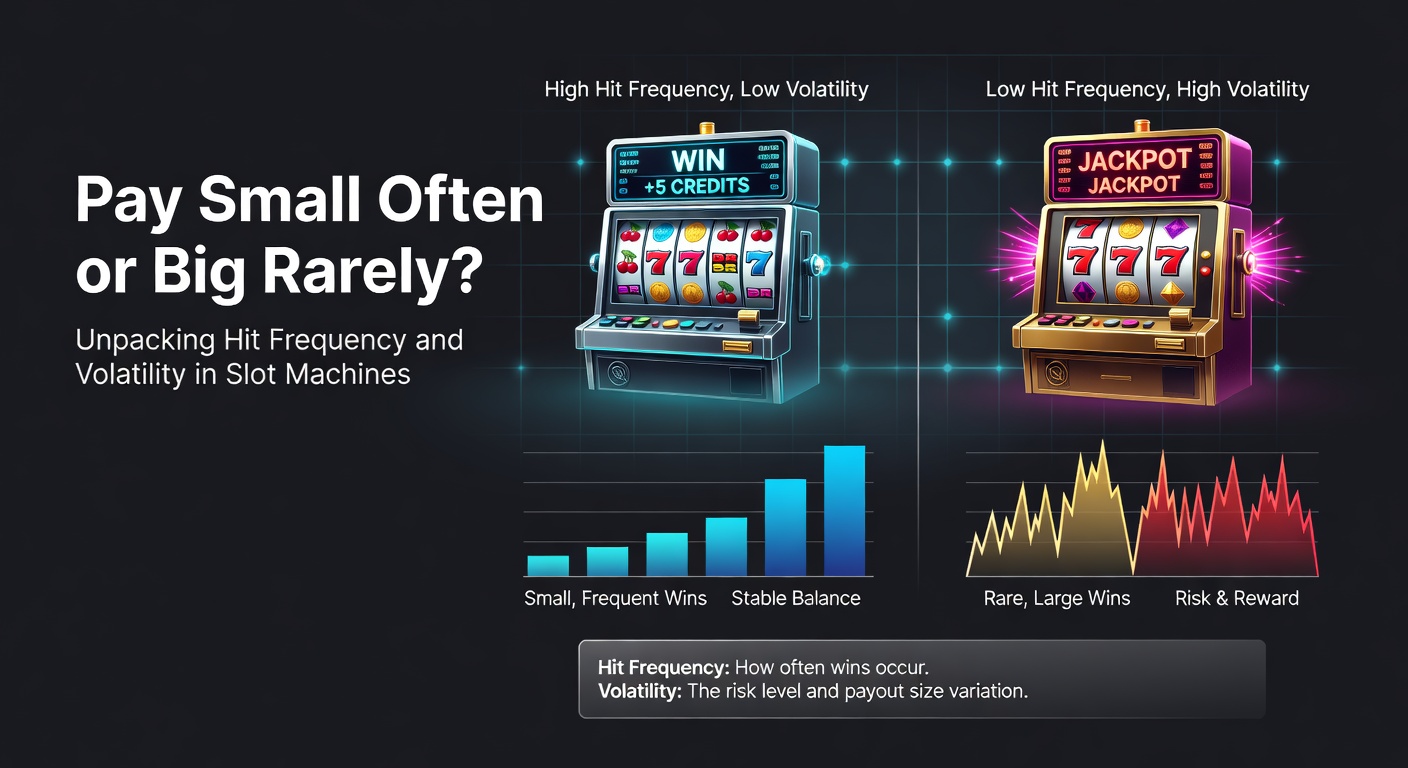
Slot machines operate on two key mechanics that shape every spin's outcome: hit frequency and volatility. Hit frequency measures how often a machine delivers any winning combination, typically expressed as a percentage; for instance, a 25% hit frequency means one in every four spins results in a win, regardless of size. Volatility, on the other hand, gauges payout variability—low volatility slots pay smaller amounts more regularly, while high volatility ones chase massive jackpots with longer dry spells in between.
Data from gaming analysts reveals these elements directly influence player retention; machines blending both traits often see higher session times because they cater to diverse bankrolls and risk appetites. Developers program return-to-player (RTP) percentages around 90-98%, but hit frequency and volatility determine how that RTP distributes over time, with short-term swings creating the thrill players chase.
Low Volatility Slots: The Steady Payout Rhythm
Low volatility slots prioritize frequent hits, often landing wins on 20-40% of spins, which keeps credits ticking over without dramatic plunges. Take classic fruit machines or titles like Starburst, where small multipliers and wilds trigger regularly, sustaining play through steady drips rather than floods. Research from the Nevada Gaming Control Board indicates these games dominate floor space in Las Vegas casinos, accounting for nearly 60% of units because they appeal to casual players who prefer prolonged sessions over jackpot hunts.
What's interesting here lies in the math: payouts cluster around the bet size, say 0.5x to 5x, so a £1 spin might yield £2-£5 often enough to mask house edges visually. Players who've analyzed session logs often discover bankrolls erode slowly, allowing hours of entertainment before significant losses mount, although long-term RTP ensures operators profit.
And yet, even in low vol environments, bonus rounds introduce controlled spikes; free spins with sticky wilds, for example, can boost averages without shattering the frequent-hit core. Observers note this balance proves especially popular in mobile formats, where quick sessions demand immediate feedback.

High Volatility Slots: Chasing the Big Score
High volatility machines flip the script, boasting hit frequencies under 15% but capping payouts at 10,000x stakes or more, turning sparse wins into life-altering hauls. Games like Dead or Alive 2 exemplify this, where drought periods stretch 50-100 spins, only for super free spins to unleash trails of high-paying symbols. Figures from the Australian Gambling Research Centre highlight how these slots drive 70% of progressive jackpots, with volatility fueling network-wide pots that swell into millions.
But here's the thing: that rarity amplifies excitement, as evidenced by player tracking data showing peak engagement during near-misses and escalating multipliers. One study from gaming labs revealed high vol titles generate 40% more revenue per unit despite fewer players, precisely because big-win stories spread virally, drawing jackpot seekers back repeatedly.
Turns out, modern twists like expanding reels or gamble ladders heighten this without altering core volatility; developers test thousands of simulations to ensure rare events hit statistically, maintaining certified fairness.
How RTP Ties Hit Frequency to Volatility
Return-to-player percentages anchor both mechanics, dictating long-term payback while volatility spreads it unevenly; a 96% RTP low vol slot might pay 0.2x-2x frequently, whereas its high vol counterpart hoards the same total for 100x+ explosions. Experts who've dissected paytables explain this through variance formulas—standard deviation of payouts quantifies swings, with low vol under 5x average bet and high vol exceeding 20x.
So, players encounter "breakeven" illusions in low vol during hot streaks, but data over 10,000 spins evens out; high vol demands deeper pockets, as evidenced by casino metrics showing average loss rates double despite identical RTPs. It's noteworthy that hybrid models now emerge, blending 25% hit rates with medium vol for 500x max wins, appealing to broad demographics.
Developer Strategies and Testing Protocols
Game studios like NetEnt and Pragmatic Play run millions of virtual spins during certification, tweaking symbol weights to dial hit frequency precisely—say, landing scatters on 1-in-150 spins for balanced bonuses. Independent labs verify these via algorithms compliant with regional standards, ensuring no hidden biases skew volatility.
People who've reviewed proprietary data often find clustering techniques boost perceived fairness; grouping small wins post-dry spells tricks the brain into optimism. And in March 2026, reports surfaced of AI-driven dynamic volatility adjustments in beta trials across Ontario casinos, where machines subtly shift based on session heat while preserving certified RTP bands—a move Ontario's iGaming regulators eyed closely for player protection.
Player Patterns and Casino Floor Dynamics
Casinos curate mixes: low vol near entrances for newcomers, high vol in high-limit rooms for whales. Observers tracking Las Vegas footfall note low vol machines log 2x spins per hour versus high vol's patient pacing, yet latter zones boast premium drinks service to offset wait times. One case from Atlantic City revealed a high vol cluster contributing 25% of monthly revenue from 10% of machines, underscoring volatility's profit punch.
Yet, mobile shifts complicate this; apps now tag volatility ratings explicitly, helping users filter—low for commutes, high for weekends. Studies found 65% of players stick to one style post-trial, with low vol suiting 70% of sessions under £50 buy-ins.
Global Regulatory Oversight on Volatility Disclosure
Regulators worldwide mandate transparency; Nevada requires paytable RTP listings, while Australia's bodies enforce volatility warnings on high-risk games to curb extended play. In Europe, Italy's AAMS publishes average session volatility indices, aiding informed choices. This patchwork, as of March 2026, pressures developers toward clearer icons—like flame ratings for high vol—across jurisdictions.
What's significant is how these rules evolve; recent Quebec audits flagged misleading "hot streak" promos on low vol facades hiding medium traits, prompting fines and redesigns.
Conclusion
Hit frequency and volatility remain slot design cornerstones, dictating whether machines deliver small-often comfort or big-rare adrenaline, all within RTP confines that guarantee operator edges over time. Low vol sustains casual fun with steady drips; high vol ignites dreams through explosive rarity. As March 2026 unfolds with hybrid innovations and tighter disclosures, players gain sharper tools to match styles to bankrolls, while casinos fine-tune floors for maximal draw. Data consistently shows informed play extends enjoyment, regardless of the payout path chosen.