Reel Expansions Redefine Payline Structures in Online Slot Games
Anna Powell · Aug 19, 2026
Reel Expansions Redefine Payline Structures in Online Slot Games
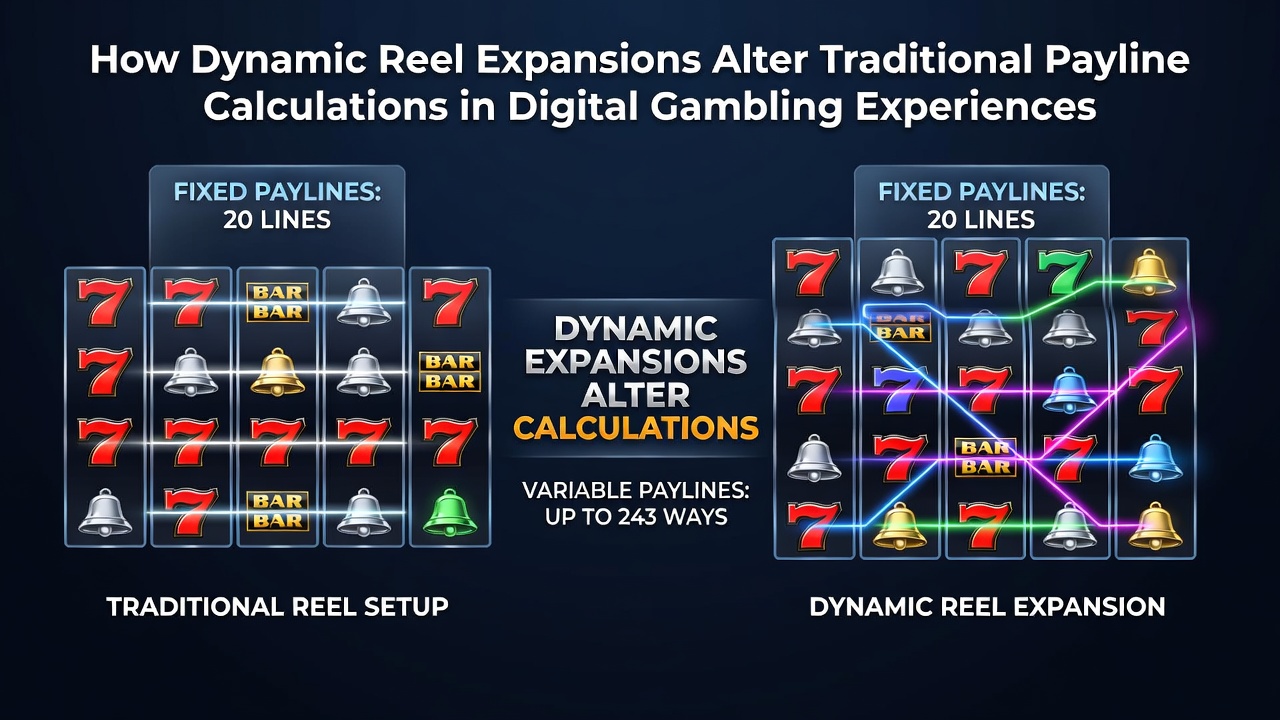
Traditional payline calculations in slot machines rely on fixed patterns across reels where symbols must align in predetermined sequences to produce wins, yet dynamic reel expansions introduce variable reel heights that multiply the number of active lines during each spin. These systems adjust the number of symbols visible on each reel in real time, which shifts how combinations form and get evaluated by the game's payout engine. Data from industry reports indicate that such mechanics first gained traction in the mid-2010s and continue to appear in new releases through 2026.
Core Mechanics of Traditional Paylines
Standard payline systems evaluate wins along straight or zig-zag paths that operators program into the game matrix before release, with each line requiring three or more matching symbols in sequence from the leftmost reel. Calculations multiply the bet per line by the symbol's payout value when a valid alignment occurs, and the total return sums across all active lines. Regulatory bodies such as the Nevada Gaming Control Board track these fixed structures to ensure consistent random number generator outputs across thousands of spins.
Introduction of Dynamic Reel Expansions
Dynamic reel expansions operate by increasing or decreasing the number of rows on individual reels during gameplay, often triggered by base game symbols or bonus events that add extra positions. When a reel expands from four to seven symbols, the total possible combinations grow exponentially because each new row creates additional intersections with adjacent reels. Observers note that this process replaces the static grid with a flexible one where paylines adapt to the expanded layout rather than remaining locked to original patterns.
Alterations to Payline Evaluation
Once reels expand, the software recalculates all potential winning paths across the new symbol count, which can turn a single spin into hundreds or thousands of evaluated lines without player input. Traditional fixed paylines might cover twenty or thirty routes, whereas expanded configurations evaluate every adjacent symbol match across the enlarged matrix, converting what would have been non-paying spins into winning outcomes. Research from the University of Nevada, Las Vegas gaming studies program shows that these recalculations maintain the game's overall return-to-player percentage through adjusted probability tables that account for the variable reel heights.
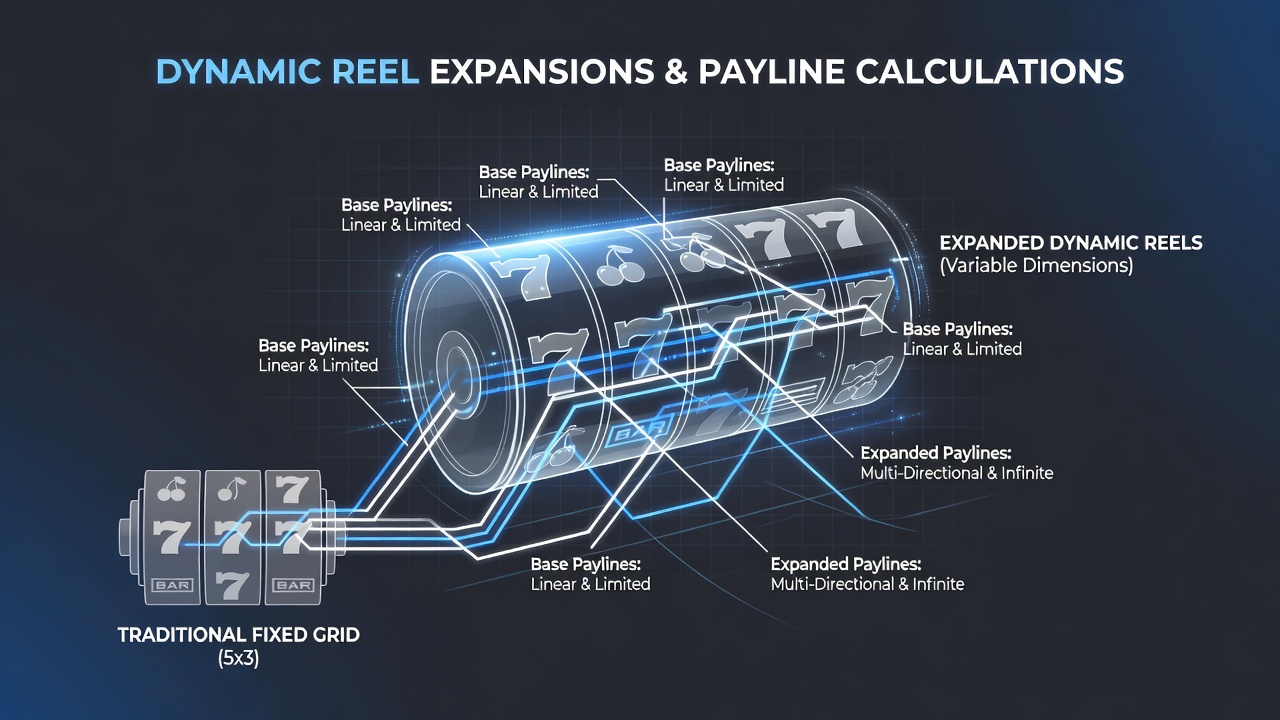
Payline calculations in these environments therefore move from predetermined routes to combinatorial counts that multiply the ways symbols can align horizontally and sometimes diagonally. When one reel adds three extra symbols while others stay constant, the engine generates new line combinations on the fly, each checked against the paytable in sequence. Figures from the European Gaming and Betting Association reveal that titles using this approach report higher average win frequencies per spin compared with fixed-payline counterparts, although hit rates remain governed by the underlying random number generator.
Impact on Bonus Features and Progressive Elements
Bonus rounds often activate reel expansions to amplify the number of evaluated lines, turning a standard free-spin sequence into a cascade of recalculated payouts. Progressive jackpot triggers may tie directly to these expanded states because the increased symbol count raises the statistical chance of landing required combinations on the same spin. Operators integrate these features by updating the payline database in real time, ensuring that each expansion level corresponds to a distinct multiplier or additional winning path.
Regulatory and Technical Considerations
Testing laboratories verify that dynamic expansions do not alter the certified random number generator behavior, even as the visual reel height changes. Certification processes examine both the base grid and every possible expanded state to confirm that payout percentages stay within approved ranges. In August 2026, several North American jurisdictions updated their compliance checklists to require explicit documentation of how expansion algorithms interact with payline engines before approving new titles for release.
Software providers document these interactions through detailed math sheets that list every possible reel configuration and its corresponding line count. Players encounter the results as on-screen animations where reels stretch or contract, yet the underlying arithmetic ensures consistent odds across sessions. Technical audits by independent firms confirm that no hidden biases enter the system during the expansion phase.
Conclusion
Dynamic reel expansions modify traditional payline calculations by replacing fixed routes with variable combinatorial evaluations that scale according to reel height changes during play. This shift maintains certified randomness while expanding the number of assessed winning paths per spin. Data from regulatory reports and academic analyses continue to track how these mechanics influence game performance across digital platforms, providing operators with frameworks for compliant implementation in evolving markets.