Tracing Reel Symbol Roots and Their Role in Shaping Modern Slot Bonus Features
Anna Powell · Jun 21, 2026
Tracing Reel Symbol Roots and Their Role in Shaping Modern Slot Bonus Features
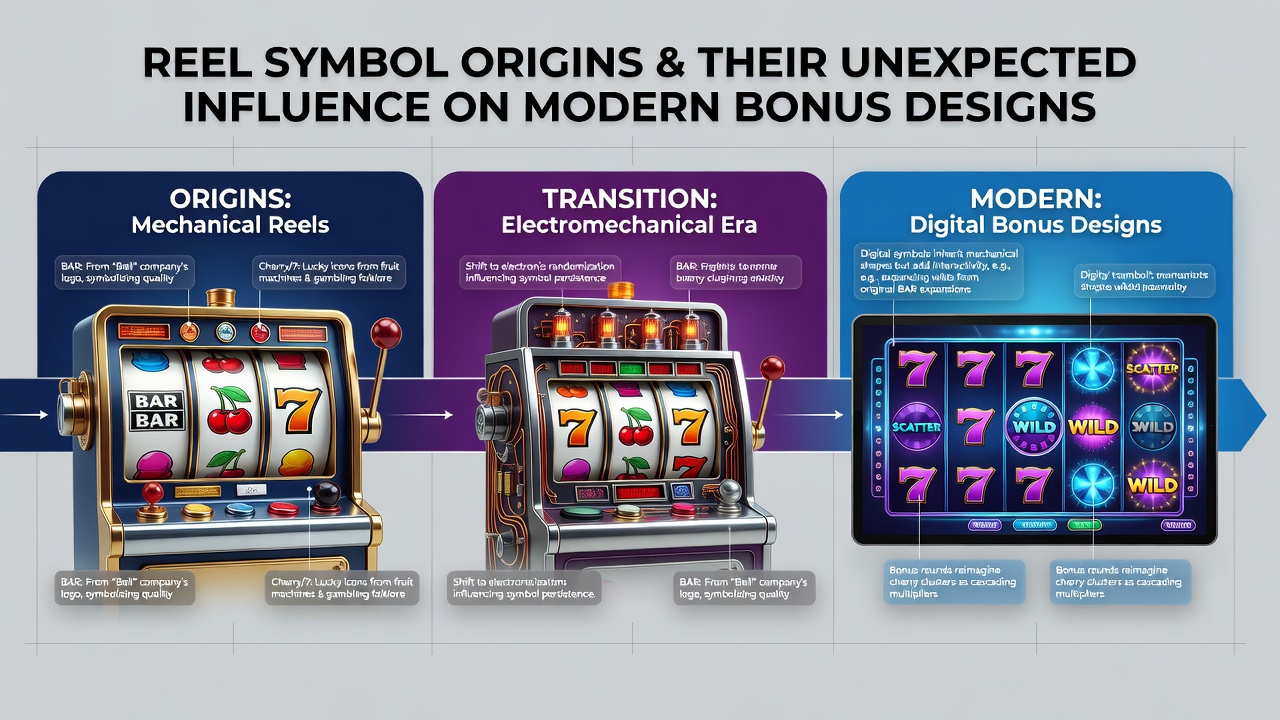
Slot machines began with physical reels in the late 19th century, where symbols such as fruits, bells, and bars served as the core visual language for payouts and gameplay progression. Those early designs, pioneered by inventors like Charles Fey with the Liberty Bell machine in 1895, established patterns that continue to inform bonus structures in contemporary video slots.
Origins of Core Reel Symbols
Early mechanical slots drew symbols from everyday items and cultural references, including horseshoes, stars, and playing card suits, because manufacturers needed easily recognizable icons that fit on narrow reel strips. Data from industry archives shows that fruit symbols emerged as replacements for cash prizes during periods when gambling restrictions limited direct payouts, allowing machines to dispense chewing gum or candy instead. Observers note how this shift embedded fruits like cherries and lemons into slot vocabulary, creating associations that later developers repurposed for bonus triggers.
By the 1920s and 1930s, symbols standardized around bars, sevens, and bells across American and European markets, with manufacturers coordinating designs to maintain player familiarity. Research from university gaming studies indicates these choices influenced reel weighting and probability calculations, as certain symbols appeared more frequently on physical strips to control hit rates without electronic assistance.
Transition to Digital Formats
Electronic and video slots in the 1970s and 1980s digitized these same symbols while expanding reel counts and introducing virtual mechanics that removed physical limitations. Programmers retained cherries and bars as base icons yet layered new functions onto them, such as serving as wild substitutes or scatter activators for bonus rounds. Figures from gaming technology reports reveal that this continuity helped players transition smoothly, since familiar visuals reduced the learning curve for new features like free spin sequences.
Influence on Contemporary Bonus Designs
Modern bonus systems often build directly on symbol hierarchies established decades earlier, with classic icons now triggering multi-stage events rather than simple line wins. For instance, the bar symbol, once a mid-tier payout marker, appears in hold-and-win formats where landing specific counts locks positions and awards respins until additional matches accumulate. Studies compiled by international research centers demonstrate that this evolution maintains visual consistency while multiplying engagement through layered objectives.
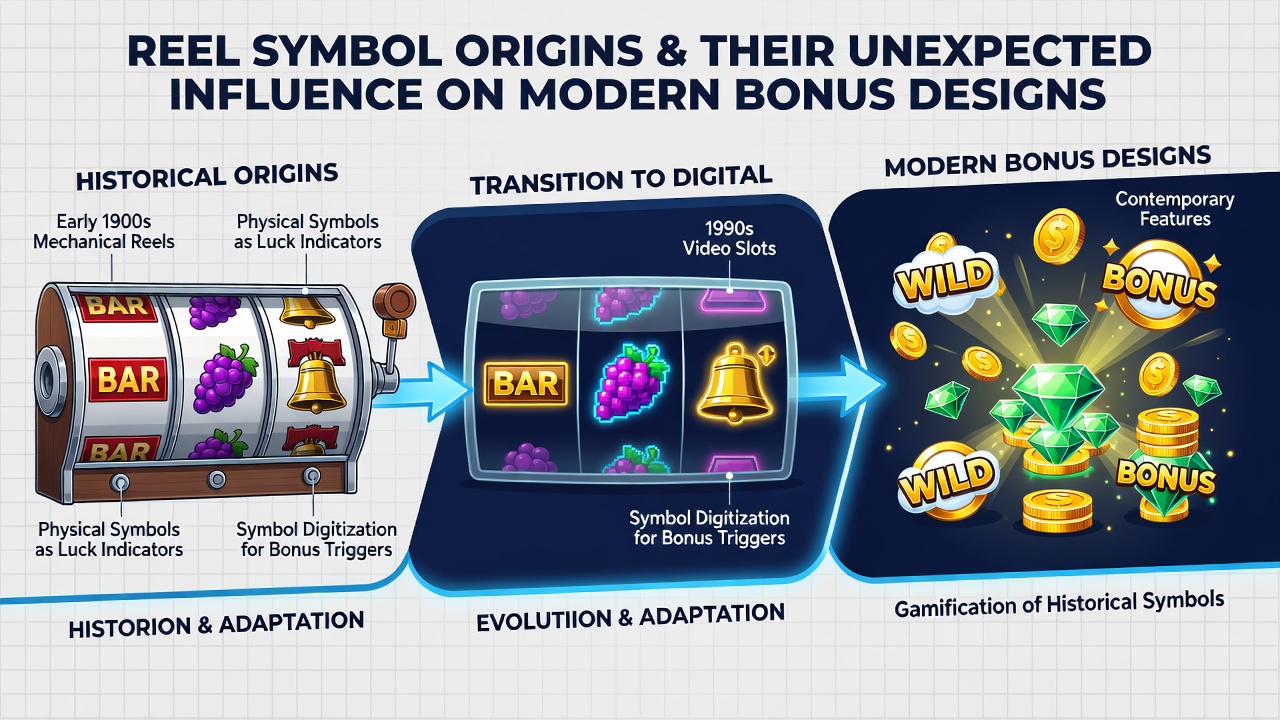
Scatter symbols, derived from early bell and star placements that paid regardless of alignment, now activate free spin bonuses or pick-and-click games in many titles. Data collected across North American and European casino floors shows these mechanics generate higher average bet volumes during triggered sequences, because the original symbol logic encourages continued play until features resolve. What's interesting is how developers overlay multipliers or expanding behaviors onto these legacy icons, turning static reel positions into dynamic bonus catalysts.
Cluster pays systems, which replaced traditional paylines in numerous releases, still reference the original symbol sets but reorganize adjacency rules around groups rather than straight lines. Reports from Australian academic institutions highlight that this adaptation preserves recognition of fruits and sevens while enabling chain reaction bonuses where matched clusters remove symbols and drop replacements from above. Those who've analyzed payout distributions find that such designs increase the frequency of smaller bonus events without altering the underlying symbol probabilities carried over from mechanical eras.
Unexpected Carryover Effects in 2026
Industry gatherings scheduled for June 2026 continue to examine how foundational reel symbols affect emerging bonus innovations, including gesture-based mobile interactions and progressive jackpot integrations. Regulatory bodies outside the UK, such as those in Canada and parts of the EU, track symbol usage in compliance documentation to ensure transparency in feature activation rates. Evidence from these oversight reports suggests that retaining historical icons in bonus designs supports player comprehension across jurisdictions with varying technical standards.
One case documented by gaming technology analysts involved a major studio repurposing the horseshoe symbol from early 20th-century machines as a collector in a respin bonus, where accumulated icons upgraded prize tiers. This approach leveraged decades-old recognition to introduce complexity without requiring extensive tutorial explanations. Similar patterns appear in titles that embed seven symbols as persistent multipliers across base and bonus phases, linking back to their historical role as top-tier payouts.
Conclusion
Reel symbol origins continue to guide bonus architecture through deliberate visual and functional continuity, even as technology introduces new layers of interactivity. Data from global research sources, including those referenced via UNLV gaming studies and reports from the Australian Gambling Research Centre, confirms these connections span mechanical roots to digital implementations. Developers maintain these ties because they streamline feature adoption while allowing incremental expansions in bonus depth and variety.