Visual and Audio Design Elements That Guide Choices During Progressive Jackpot Play on Mobile Platforms
Morgan Krause · May 20, 2026
Visual and Audio Design Elements That Guide Choices During Progressive Jackpot Play on Mobile Platforms
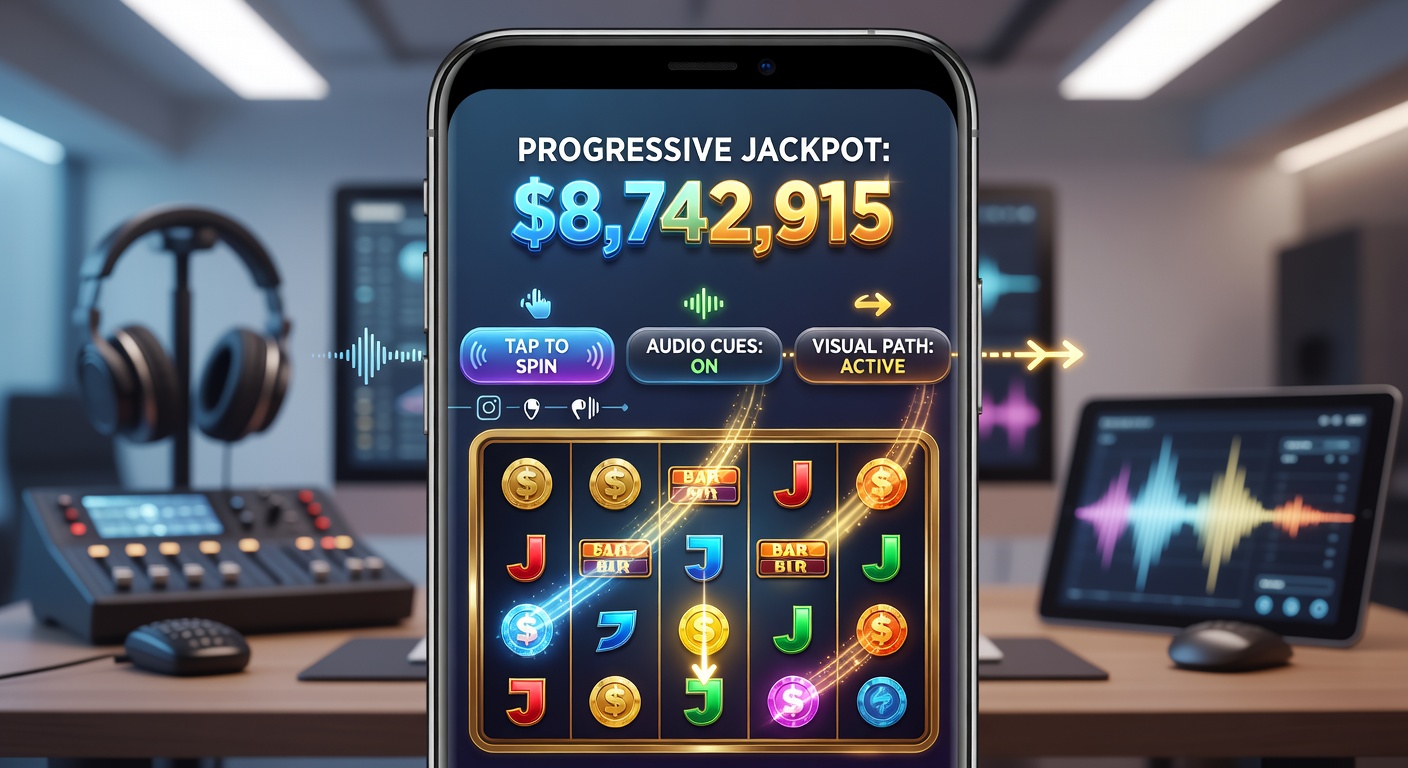
Mobile platforms have transformed progressive jackpot games through carefully crafted visual and audio layers that direct attention toward specific betting decisions and feature activations. Designers employ color gradients on jackpot meters that shift from cool blues to intense reds as values climb which draws the eye toward incremental increases and encourages players to adjust wager sizes accordingly. These elements operate within the constraints of smaller screens where every pixel and sound cue must deliver immediate feedback without overwhelming the interface.
Visual Cues That Shape Betting Selections
Progressive jackpot interfaces on smartphones rely on animated progress bars and pulsing icons to signal when contributions reach thresholds that unlock higher payout tiers. Observers note that developers position these meters prominently at the top of the display while using subtle particle effects around bet increment buttons to highlight options that align with current jackpot growth rates. Data from mobile gaming analytics shows that such animations increase interaction rates with wager adjustment tools by up to thirty percent compared to static displays because the motion creates a sense of momentum that players follow when deciding whether to raise stakes.
Color temperature changes further refine this guidance by warming the palette around maximum bet selectors during periods of rapid jackpot escalation. Researchers at the International Gaming Institute have documented how these shifts correlate with more frequent selections of higher denomination plays in titles that feature multi-tiered progressives. Touch targets expand slightly under finger proximity thanks to responsive design frameworks which reduces mis-taps on smaller devices and keeps the flow toward jackpot qualifying bets uninterrupted.
Audio Layers That Build Decision Momentum
Sound design complements the visuals by layering escalating tonal sequences that intensify as the jackpot meter advances which creates an auditory pathway players often trace when contemplating bet changes. Low-frequency rumbles accompany base game spins while higher pitched chimes activate upon near-miss combinations that sit just below progressive trigger requirements. Studies indicate these layered audio profiles help maintain focus on the screen during extended sessions because the soundscape evolves in sync with visual updates rather than remaining constant.
Volume modulation plays a key role in directing attention toward specific choices because jackpot contribution alerts receive boosted amplitude compared to routine win notifications. This differentiation ensures players register the stakes involved in maintaining eligibility without constant manual checks on mobile data overlays. In May 2026 several leading platforms introduced adaptive audio systems that adjust pitch based on device orientation which further refines how users perceive urgency when switching between portrait and landscape modes during play.
Integration of Haptic Feedback With Visual and Audio Signals
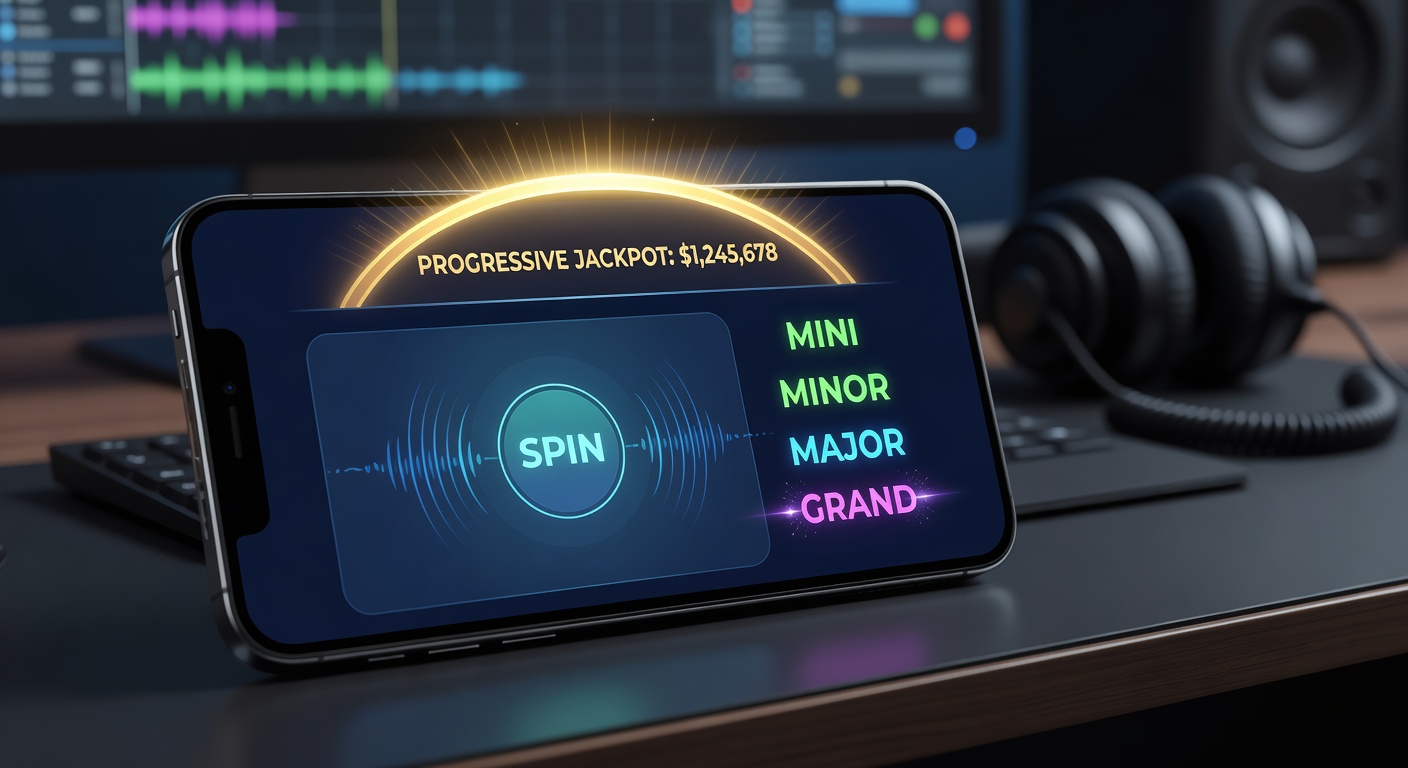
Modern mobile devices incorporate vibration patterns that align with both the visual meter movements and the accompanying sound cues which creates a multisensory loop guiding players through progressive jackpot mechanics. Short pulses mark each contribution increment while longer sustained vibrations coincide with audio swells during critical decision points such as selecting between standard and max bet modes. Reports from the Canadian Centre for Gaming Research highlight that synchronized haptics can extend average session durations by reinforcing the connection between player actions and jackpot progression visuals.
Designers calibrate these feedback mechanisms to respect battery constraints and user accessibility settings yet they retain enough intensity to stand out amid competing notifications on the device. One example appears in games where a jackpot threshold approaches and the combination of brightening screen elements, rising audio pitch, and rhythmic vibrations converges to prompt an increase in bet level before the next spin cycle begins.
Adaptive Elements Across Different Screen Sizes and Orientations
Responsive frameworks automatically reposition visual indicators and scale audio cues when players rotate their devices or switch between compact and tablet formats. This adaptability ensures that progressive meters remain legible and that sound layering does not distort through varying speaker configurations. Industry figures reveal that titles employing such dynamic scaling maintain higher retention rates because players encounter consistent guidance regardless of hardware variations.
Font weights and icon sizes adjust in real time while audio spatialization shifts to match stereo output capabilities which keeps the decision-making process fluid. Those who have examined user interaction logs observe that seamless transitions between modes reduce hesitation around wager adjustments during jackpot chases.
Conclusion
Visual and audio design elements work together on mobile progressive jackpot platforms to present clear pathways through betting and feature choices while adapting to hardware differences and emerging technologies. Continued refinements in animation timing, sound layering, and haptic synchronization reflect ongoing efforts by developers to align interface feedback with player navigation patterns across global markets.